Can Sonnet 5.5 Really Build a Full Game From One Prompt? I Tested It.
A few days ago, u/Timisageek posted something on r/ClaudeCode that stopped me mid-scroll: Sonnet 5.5 one-shotting a full kart racing game. Five sub-agents turned a single prompt into a playable game in 67 minutes, with no follow-up messages.
I’ve seen plenty of “one prompt” demos that look great in a clip and fall apart the moment you click something. I’ve built features with sub-agents before, but a complete game from a single message?
That I had to see for myself.
So I typed my own version of the prompt into Claude Code on the web, set Sonnet 5.5 to Max effort, and went to bed. Zero messages while the session ran — no corrections, no course adjustments.
One prompt, then silence.
This is what was waiting in the morning.

The game is called Kart Blitz — an arcade-style kart racer where every model, track, and sound effect is generated from code. It took about five hours, and I never touched it once.
Want to try it first? Play Kart Blitz in your browser.
.
.
.
The Prompt
Here’s what I sent:
I need you to launch five sonnet 5.5 sub-agents and help me build a triple A quality game that is a clone of [a classic kart racer]. What I want you to do is I want you to launch these sub-agents, build the game without asking me any questions at all, and use 3JS to build the game.

You can use "playwright-cli" to verify your own work.

You may use "firecrawl" if you need to do any more web research

The game should be frontend only for now. All the persistent data will be stored in local storage.

Please create tasks for this first, and then assign sub agent to each task.

Publish the game to Claude Artifact.

And once you're done, report back to me.
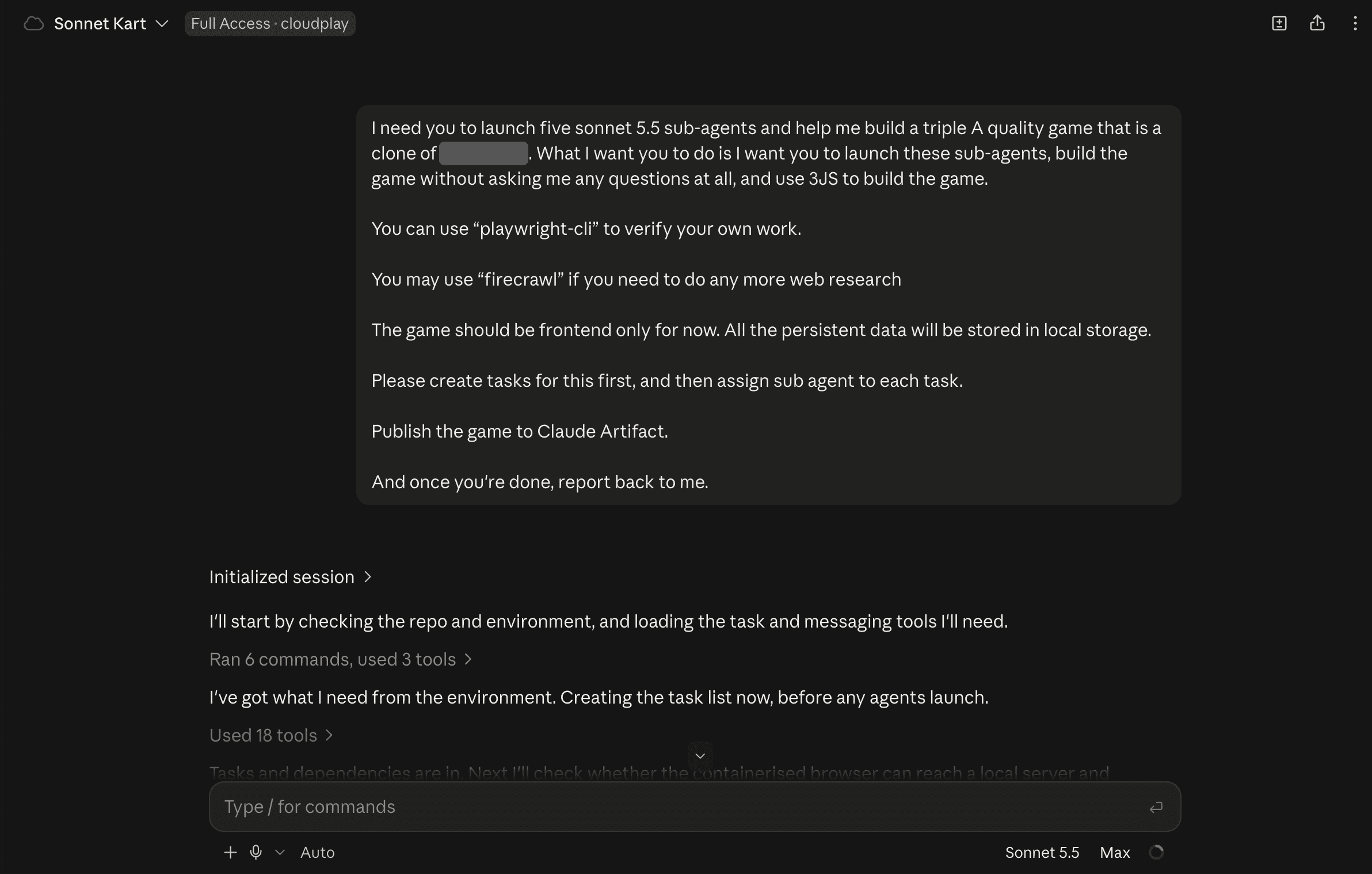
The core ask came straight from the Reddit post (I’ve swapped out the name of the game it asked to clone).
I added a browser so Sonnet could check its own work visually, made Firecrawl available for web research, told it to plan tasks before launching agents, kept everything frontend-only, and added a step to publish the finished game as a Claude Artifact.
You can find the original prompt in the Reddit thread.
The browser was the most important addition — it would let Sonnet see whether its game actually worked.
Worth knowing: my prompt adds instructions and I ran Max effort where the original used High, so this is a variation on the experiment.
One-shot, as I’m using the word here, means one prompt from me, then silence until the report came back.
.
.
.
The Setup
My daily machine is a Raspberry Pi 5.
I’ve run a couple of agents at once on the Pi before, and everything else on it slowed to a crawl. Five agents building a 3D game — plus browser checks on top — was more than I wanted to throw at it. Claude Code on the web runs on someone else’s hardware, and I could close the tab and go to sleep.
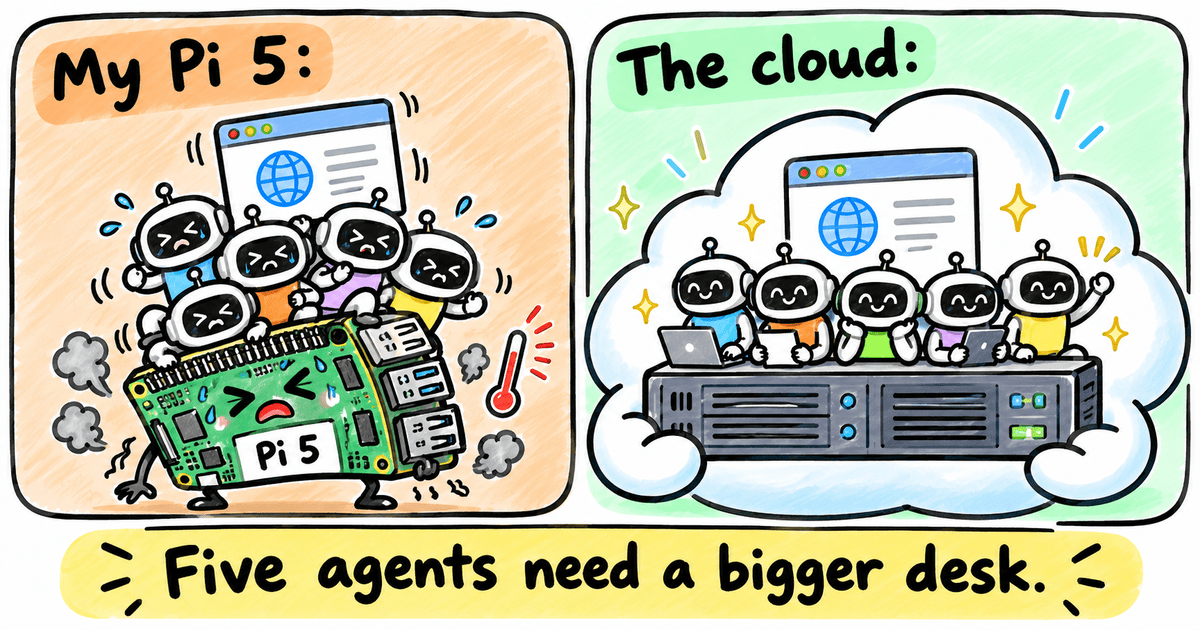
But a cloud session starts empty — a bare workshop with no tools on the wall. Without a browser, Claude writes a game it can never see running. It can run tests and check that the build compiles. Whether a road actually renders on top of the terrain or disappears beneath it — that takes eyes.
cloudplay is the setup that gives every cloud session my tools — including a browser — the moment it starts.
Stay with me: more on how that changes things at the end.
.
.
.
How Sonnet 5.5 Built It
Before launching a single agent, Sonnet 5.5 wrote the task list.
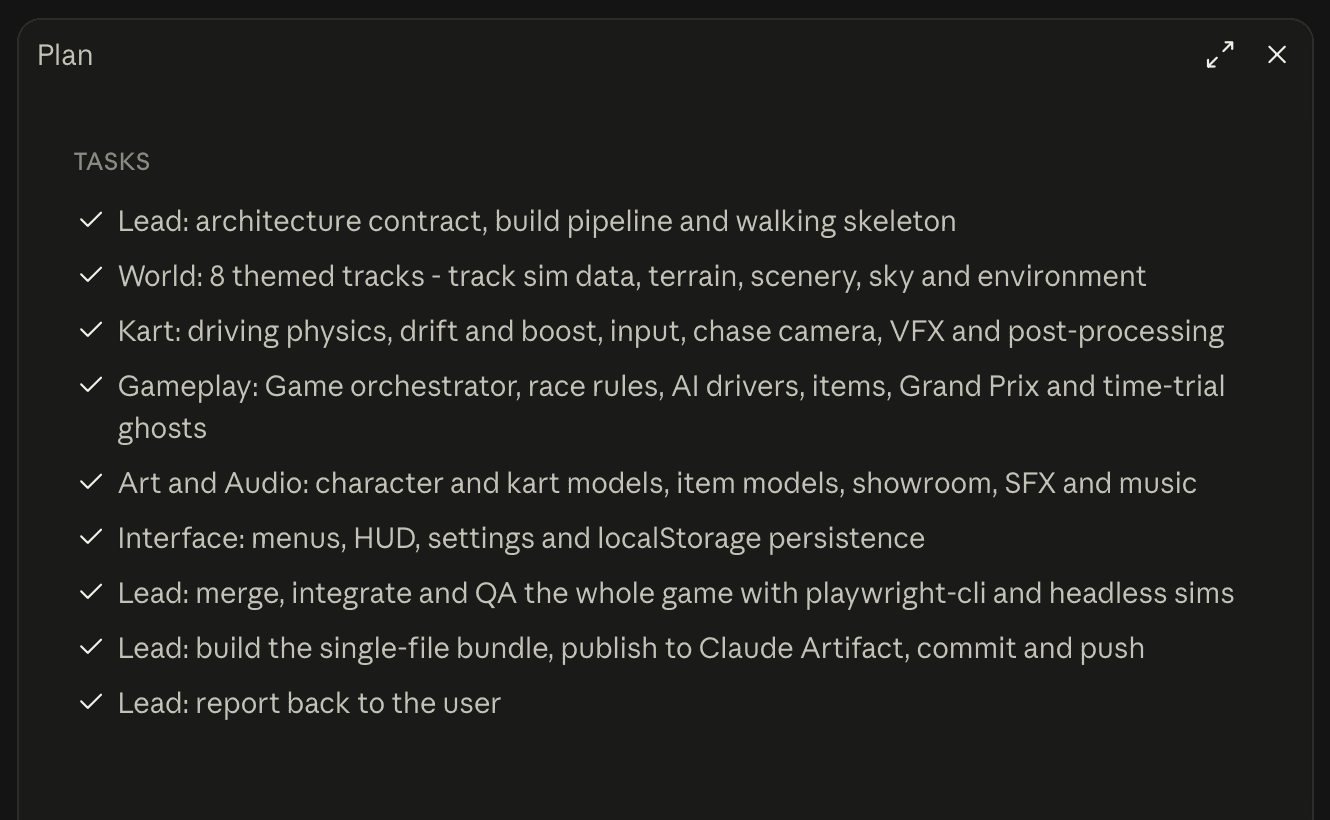
One lead agent set up the foundation and planned how the pieces would fit together.
Five builders then worked in parallel: tracks and scenery, kart handling, race rules and AI rivals, art and sound, menus and saved progress. Once they finished, the lead merged everything and moved on to checking the result. I’ve written about both halves of this approach before — planning the build in How to Make Claude Code Actually Build What You Designed and closing the loop in How to Make Claude Code Test and Fix Its Own Work (The Ralph Loop Method).
Because Sonnet had a browser, the lead agent opened the game after integration, took screenshots, and actually looked at what was on screen.
(This is the part that makes overnight runs viable — a model that can see its own output and course-correct without waiting for you.)
It caught four visual bugs — terrain covering roads, graphics glitches, buttons falling off a small window — and routed each one back to the builder that owned that section. All four were fixed before Sonnet reported back.

.
.
.
What I Woke Up To
The first thing I did when I woke up was open the session on my phone to see if it had finished.
It had.
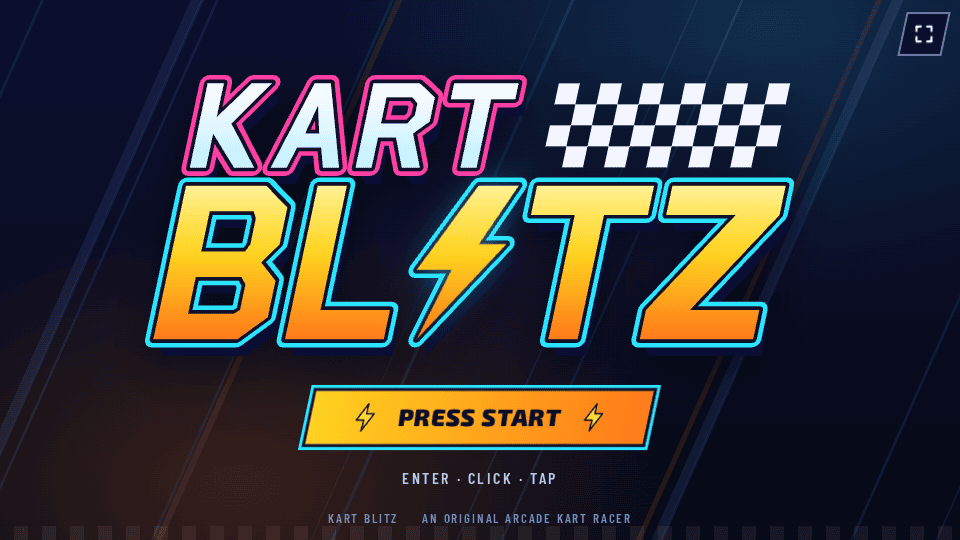
Kart Blitz.
An original kart racer where every model, sound, and track is generated from code — no borrowed names or art.
Here’s what five agents and about five hours produced:
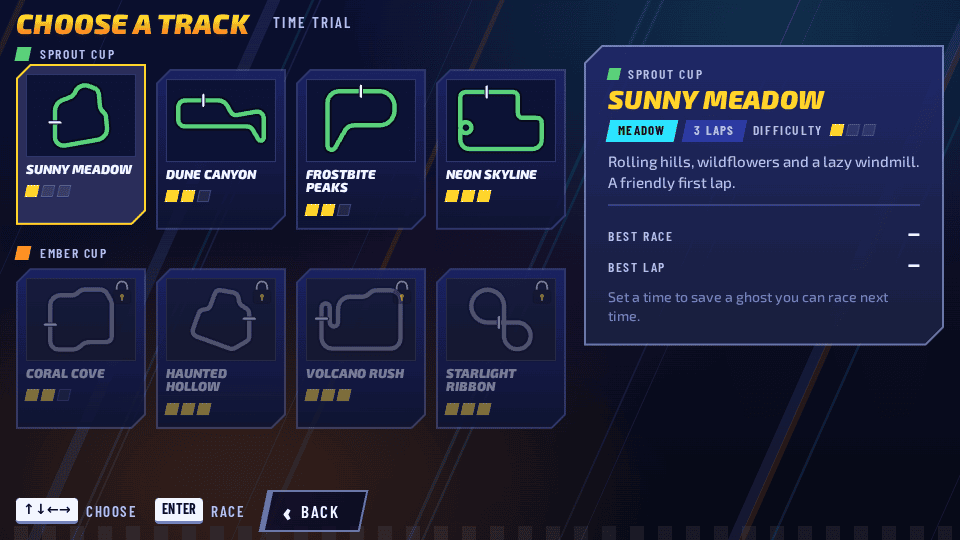
- Eight tracks across two cups, eight drivers, 50cc to 200cc
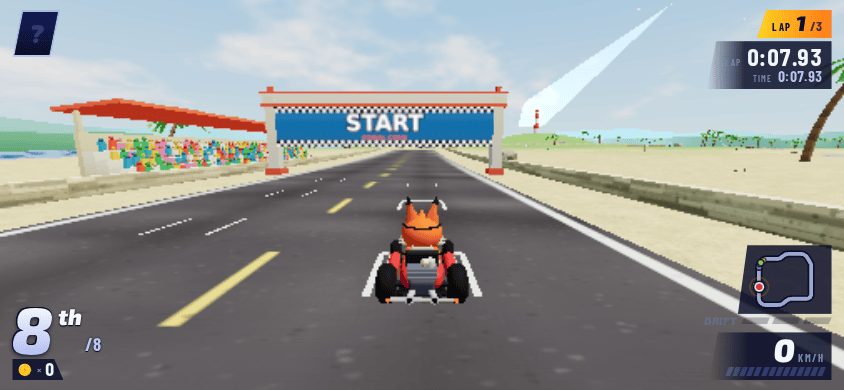
- Drifting with mini-turbos, 13 items, 11 AI rivals per race
- Grand Prix, Versus, and Time Trial with a ghost to race
- Keyboard, gamepad, or touch controls
The comparison.
| Reddit run | My run | |
|---|---|---|
| Effort | High | Max |
| Tools | None | A browser to check its work |
| Build time | 67 minutes | About 5 hours |
| Tracks | 4 | 8 |
| Automated tests | None reported | 308 |
My run took longer and came back bigger, but the prompts differed too, so the gap reflects more than the effort setting alone.
Sonnet’s honest report.
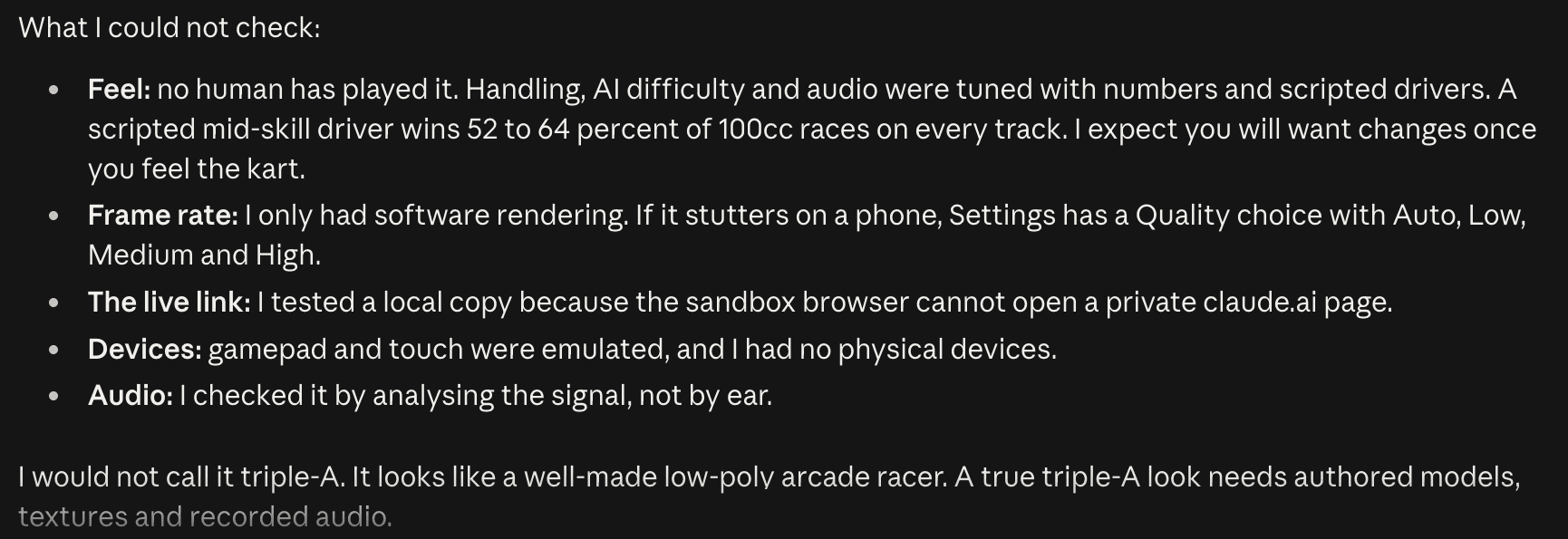
One line from the report stood out: “I would not call it triple-A. It looks like a well-made low-poly arcade racer.”
Here’s the thing — that kind of honesty matters more than you’d think. When a model tells you exactly where its own checking stopped, you know where to pick up in the morning.
The report becomes your starting line.
My verdict.
Sonnet undersold itself.
The one thing it couldn’t test — whether a person would actually enjoy the game — is where it surprised me.
It’s genuinely fun.
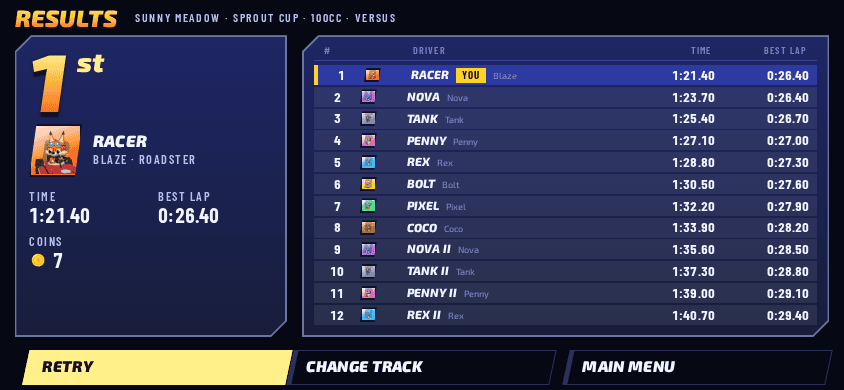
The first proper race I ran, I won: 1st of 12 at Sunny Meadow, 100cc. I expected something that would look polished in screenshots and fall apart the moment I grabbed the controls.
It held up from the first turn.
I tried it on my phone too.
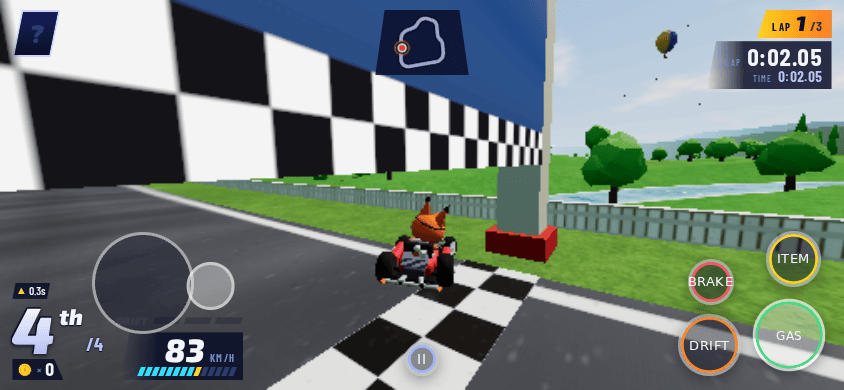
The on-screen stick and buttons worked straight away — and Sonnet had only ever tested touch with simulated taps.
Think you can beat 1:21.40 at Sunny Meadow? Play Kart Blitz here. It runs in the browser on desktop and phone.
.
.
.
Why I Called It cloudplay
So, can Sonnet 5.5 build a full, playable game from one prompt with nobody stepping in?
Yes — given the right tools and about five hours of someone else’s compute.
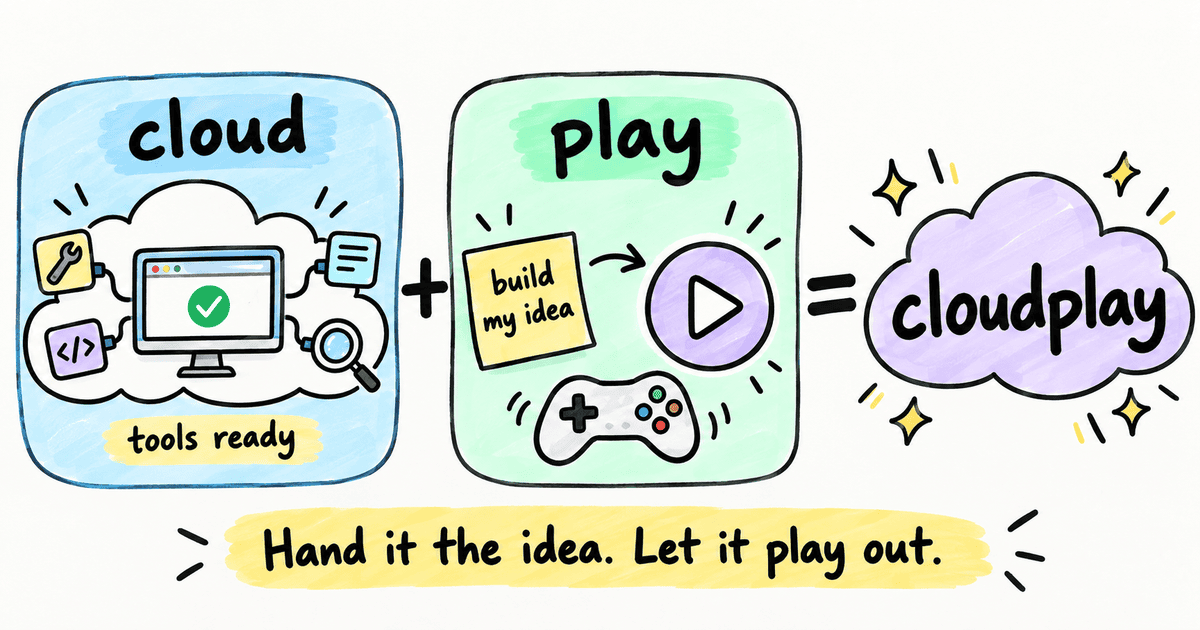
The name breaks down into two halves.
- Cloud: a bigger machine that already has your tools — Firecrawl for research, a browser to check its work — the moment the session starts.
- Play: hand Claude the repo and a prompt describing what you want, and let it play out. It builds the thing, or at the very least tests out the idea you had in mind.
Either way, you wake up with something concrete to look at.
That combination changes what “using Claude” looks like in practice.
Before this, my habit was hovering over the session — approving each step, nudging the direction every few minutes. (I suspect that habit sounds familiar.) This time I typed one prompt, closed the laptop, and went to bed. The browser and the tools were already in place, so I could trust the session to catch its own mistakes while I slept.
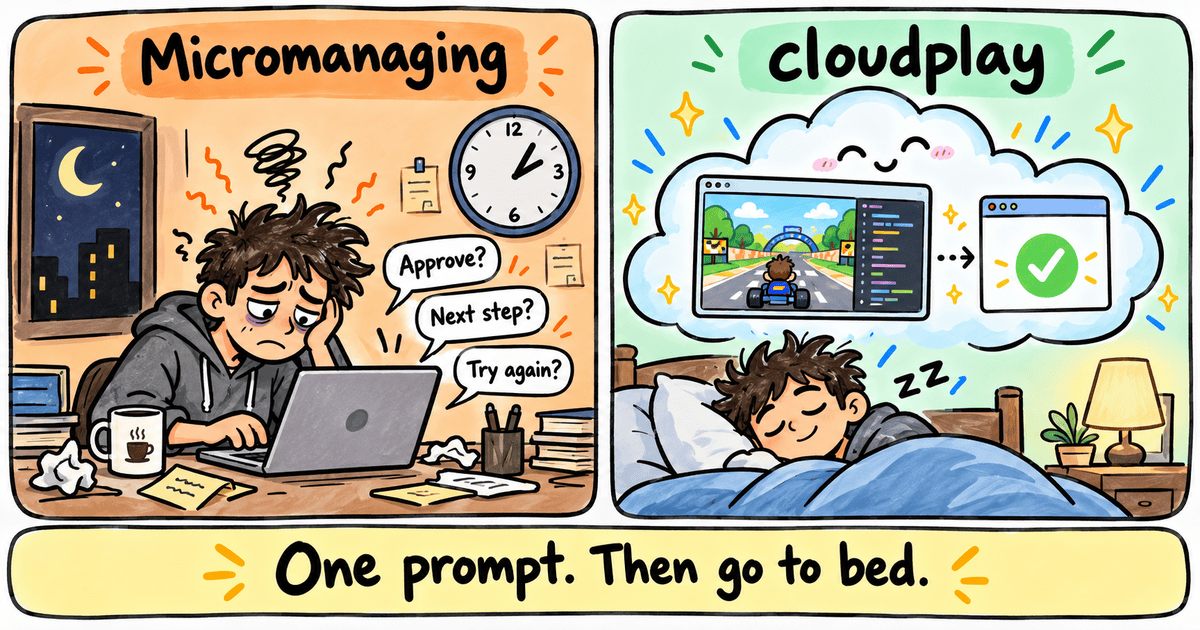
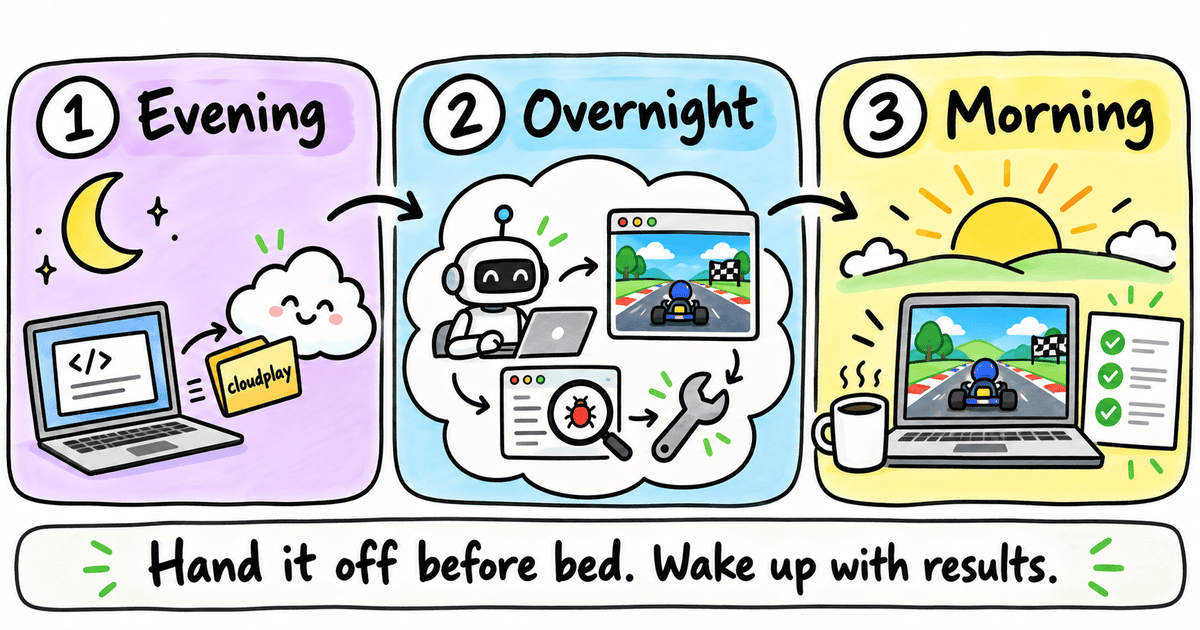
I started this before bed and reviewed it in the morning.
👉 Anything I can describe clearly enough can now run while I sleep, on a machine bigger than mine. The honest report at the end means I wake up knowing exactly what was checked and what still needs a human eye.
A kart racer turned out to be a good stress test because it demands everything at once — visuals, physics, sound, AI opponents, menus, touch controls. That overnight handoff, from one prompt to a playable game and a detailed breakdown of what worked and what didn’t, is what the whole setup was built for.
If the tools can carry a game this complex on their own, they can carry most of the ideas I’d want to try.
Try cloudplay, run your own variation of the prompt, and reply with what you built.

Leave a Comment